Workwear knowledge begins with durable protection for harsh weather. The program mindset remains simple: gear should help people stay prepared when the forecast turns against the job.
Helly Hansen serves crews that work outside ordinary comfort zones. Rain, wind, cold and wet ground change the way protective apparel is used. A garment that looks correct on a purchase order can fail the program if it does not move well, fit over layers, resist daily wear or arrive in the sizes workers actually need.
The Helly Hansen workwear approach combines field practicality with responsible material choices and clear program support. Safety teams get help translating workplace needs into apparel and footwear options. Procurement teams get a simpler path for quote approval, sizing collection and replenishment. Workers get gear intended for the weather they face rather than a generic uniform line.
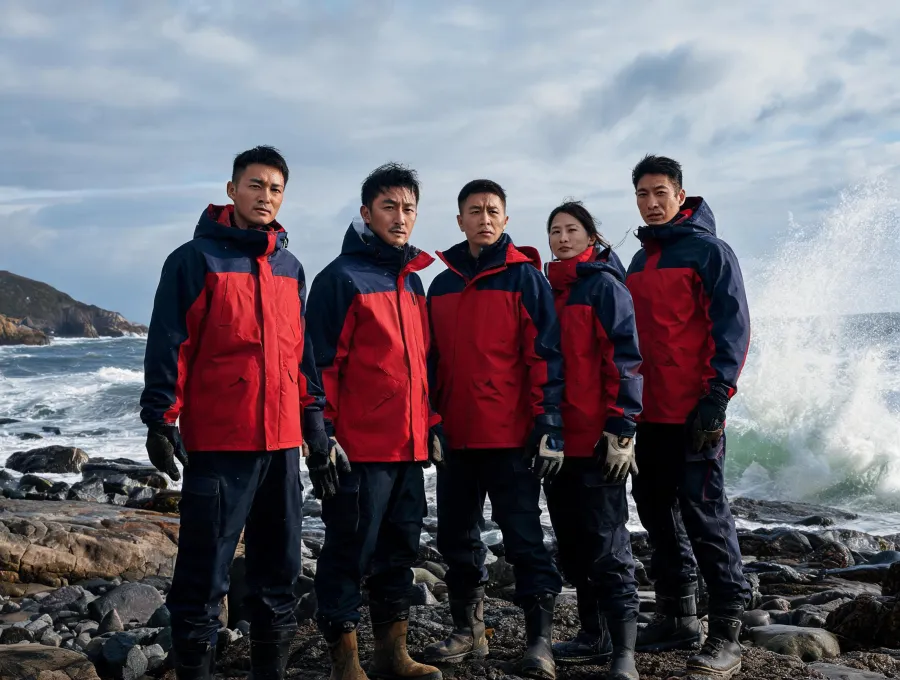
Workwear knowledge begins with durable protection for harsh weather. The program mindset remains simple: gear should help people stay prepared when the forecast turns against the job.
As crews became more specialized, apparel planning expanded from single rain jackets to layered systems, high-visibility placement, footwear choices and service support for distributed workforces.
Modern buyers need more than product names. They need size curves, replenishment timing, decoration rules, responsible material notes and documentation that helps safety and procurement work from the same source.
Helly Hansen program conversations can include sourcing, quality and responsible production questions without overwhelming the buyer. A practical footprint review documents which garment families are stocked regionally, which decoration steps are handled locally, and which replenishment lead times should be considered before weather seasons arrive. Where quality systems or environmental management systems are available, buyers can request supporting documentation such as ISO 9001:2015 or ISO 14001:2015 statements from the relevant facility or partner.
Distributor coordination, bulk quote support and seasonal stock staging for road, utility and construction teams.
Standards-aware apparel planning for EN ISO 20471 visibility, EN ISO 20345 footwear expectations and weather-driven workwear programs.
Responsible sourcing reviews, packing guidance and replenishment timing for multi-site customers with common issue lists.
Preference for durable fabrics, repairable constructions and recycled content where performance requirements allow.
Program reviews can include ISO 14001:2015 and ISO 50001 documentation when available from relevant partners.
Longer useful life, care guidance and replacement timing reduce avoidable disposal from premature garment failure.
Comfort, fit and clear issue rules support adoption, because unused PPE creates waste and does not support safer work.
Responsible workwear claims should stay specific. When a customer requests environmental data, the response should identify the scope, the product family and the evidence behind the statement. Carbon neutral language, if used, must identify Scope 1 and Scope 2 boundaries and the verification approach. Recycled content should be listed as PCR or PIR content by product family rather than treated as a universal property across every garment.
Coordinates visibility, footwear and field adoption questions with buyer documentation.
Reviews product family documentation, inspection notes and issue-list consistency.
Supports size collection, replacement timing and crew communication before launch.
For media, distributor, sustainability or group order questions, use the shared request form and include the site count, crew count and season you are planning for.