Construction
Hi-vis waterproof shells, reinforced pants, hard hat compatible hoods and slip-resistant boot choices for crews moving between mud, concrete and traffic-adjacent zones.
Helly Hansen workplace planning begins with the environment: rain, wind, cold, reflective visibility, wet walking surfaces, long shifts and the friction of getting every worker into the right size. A catalog can show items, but a workplace program has to explain which combination belongs on which crew.
For each workplace, the recommendation should connect hazards to garments and footwear in a way supervisors can explain. That means high-visibility rain jackets for road exposure, waterproof boots for wet surfaces, breathable layers for active crews, and documented replacement timing for garments that lose performance through abrasion, laundering or contamination.
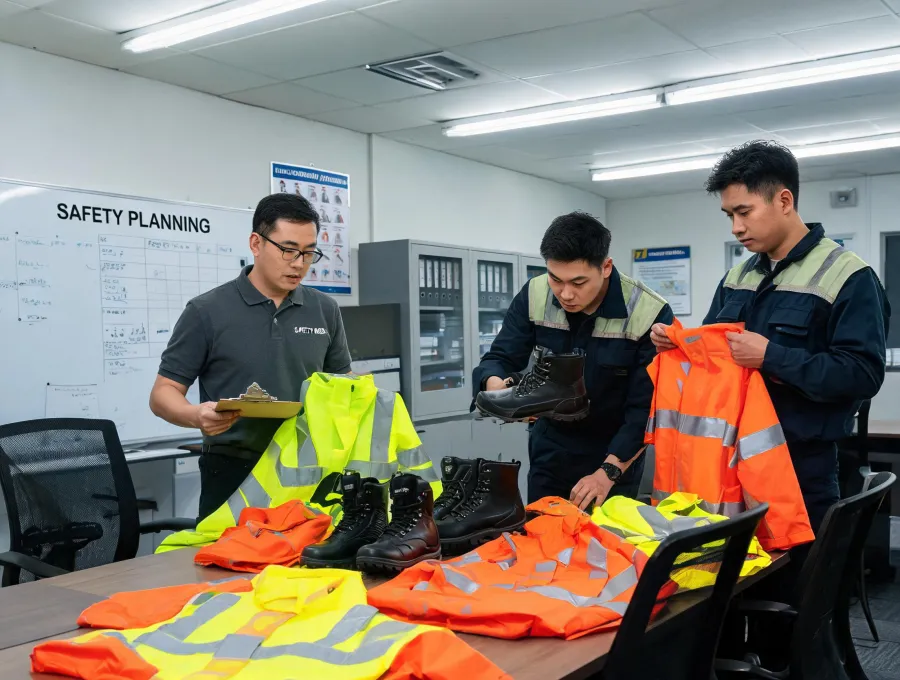
Hi-vis waterproof shells, reinforced pants, hard hat compatible hoods and slip-resistant boot choices for crews moving between mud, concrete and traffic-adjacent zones.
Durable workwear layers that consider sparks, wet docks, kneeling wear, laundering cycles and safety toe footwear for mixed production environments.
Weatherproof outerwear, high-visibility trims, boot traction and cold-weather layering for exposed sites where replacement delays quickly become operational friction.
Outdoor workwear packages can be reviewed beside NFPA 70E task requirements, visibility needs and boots selected for wet yards, ladders and long standing time.
Packable rain protection, reflective jackets and rapid size replacement help crews move from depot to roadside or response site without a complicated issue process.
Color-coded waterproof apparel, cleanable layers and slip-resistant footwear support teams that balance hygiene controls with comfort and movement.
| Workplace | Primary Hazards | OSHA/EN References | Recommended PPE Bundle |
|---|---|---|---|
| Road construction | Traffic exposure, rain, low light | OSHA 1926 Subpart G, ANSI/ISEA 107-2020 | Class 3 rain jacket, waterproof bib, reflective pants, EH boot option |
| Wet industrial floor | Slip risk, splash, standing fatigue | OSHA 1910 walking-working surfaces, EN ISO 20345 | Waterproof jacket, composite toe waterproof boot, thermal layer |
| Utility yard | Weather, vehicle movement, electrical task review | NFPA 70E-2024, ANSI/ISEA 107-2020 | Hi-vis shell, arc-rated layer when specified, slip-resistant safety footwear |
| Cold storage dock | Cold stress, condensation, forklift traffic | OSHA cold stress guidance, ANSI/ISEA 107-2020 | Insulated outerwear, visibility vest or jacket, waterproof boot with grip sole |
A dispersed crew needed one rainwear issue list for flagging, paving and inspection roles. The final package separated Class 2 and Class 3 needs, kept supervisor approval simple and reduced emergency jacket purchases during storm periods.
A distribution team needed waterproof footwear and insulated layers that could move between dock doors and freezer-adjacent spaces. Planning focused on traction, worker comfort and replacement triggers after heavy wear.
A field group wanted fewer apparel exceptions. The review mapped outerwear to task risk, weather exposure and high-visibility expectations, while keeping technical claims tied to documented standards rather than broad promises.
Visibility and footwear references belong in the decision record, not only in a product description. For hi-vis apparel, teams can document the chosen ANSI/ISEA 107-2020 class based on exposure and work zone. For footwear, ASTM F2413-18 or EN ISO 20345 references help define impact, compression, electrical hazard or slip-resistance expectations. Where arc-flash work is involved, NFPA 70E-2024 task assessment should guide the apparel conversation before any garment is selected.
This page is not a substitute for a site-specific safety assessment. It gives buyers a structured starting point so workwear discussions do not collapse into color, price and availability alone. A good program also records laundering, inspection, repair and replacement rules, because protective value depends on how garments are used and maintained over time.
Share the sites, tasks and climate conditions your crews face. Helly Hansen can help shape a workwear and footwear package that is easier to explain, approve and replenish.